What Is a Franchise Restaurant? How the Model Works
You may have the money to open a restaurant but not the years of hard-won experience. Franchising exists for exactly that gap.
What is a franchise restaurant, and how does the model actually work?
In short, the franchise business model helps you run a restaurant under a brand that already has a name, a menu, recipes, and a system guests know. It’s not a “cheat code” for automatic success. It does reduce a lot of the guesswork that comes from becoming a restaurateur. Most franchises have built-in playbooks with growth strategies and business plans in place.
This guide to franchise restaurants explains the model in plain terms. We’ll discuss the parties, the fees, and required paperwork. We’ll also discuss how opening a franchise compares with going independent from day one. This is a plain explainer built to help you decide for yourself.
What Is a Franchise Restaurant?
A franchise restaurant is one an independent owner runs using an established brand's name, menu, recipes, and operating system under a legal contract. The owner pays to join the system and agrees to follow its standards. Compare that with an independent restaurant, where the owner invents the concept and sets every rule alone.
This is a common way to run a restaurant, not a niche one. The International Franchise Association reports franchising's economic scale across all franchise sectors, not restaurants alone.
By that association's count, about 830,000 franchise establishments support nearly 8.8 million direct jobs. Together they generate roughly $896.9 billion in economic output, close to 3% of US GDP.
The Three Parties: Brand, Franchisor, and Franchisee
Beginners often blur three separate things. Keeping them apart makes the rest of the model easy to follow. Think of the brand, the company behind it, and the local owner as distinct roles.
Franchisor: Who Owns and Licenses the Brand
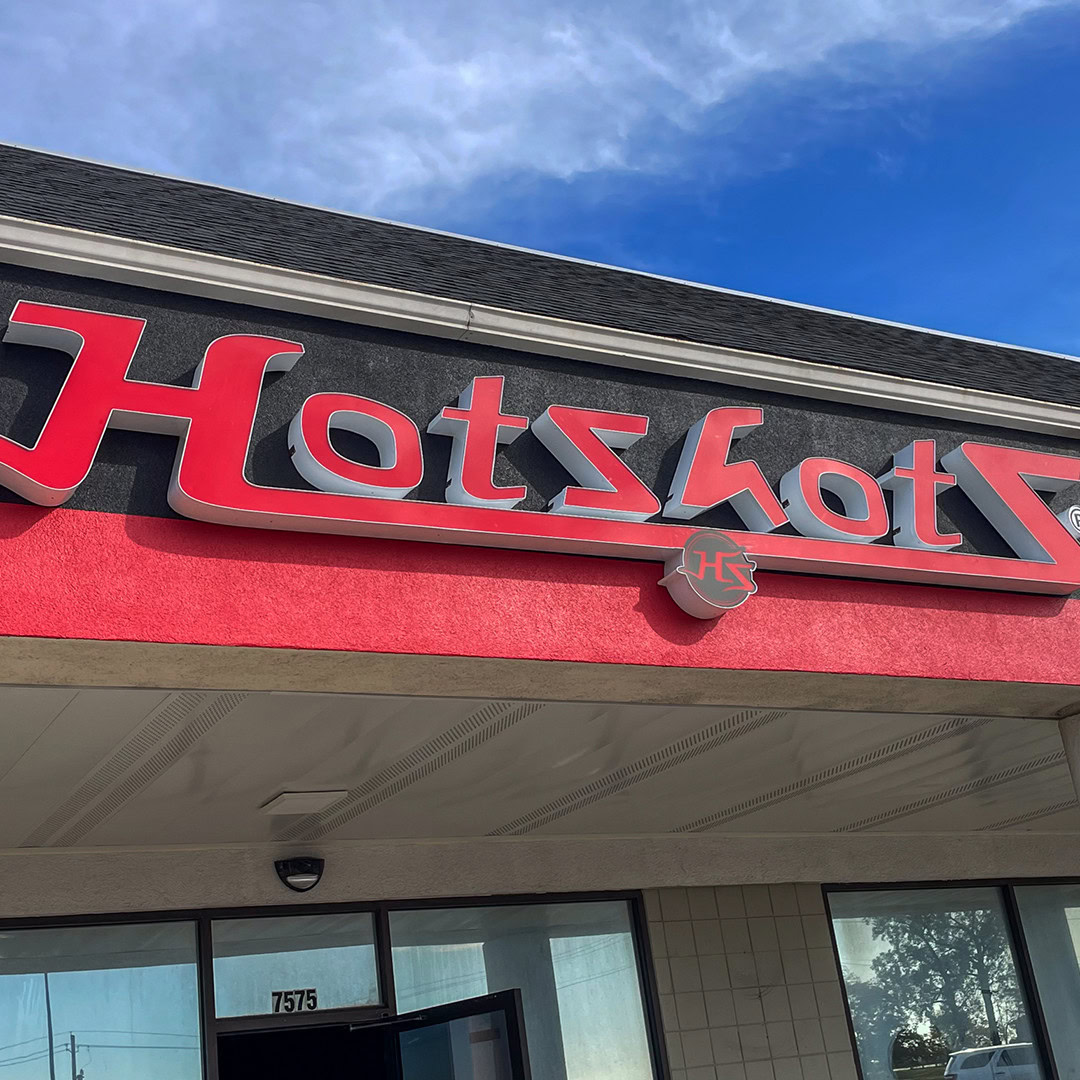
The franchisor develops the concept, protects the trademark, sets the standards, and grants the license to use them. A trademark is the legal ownership of a brand's name and logo, which stops others from copying it. For Hotshots, the franchisor is HSF Franchising, LLC, the company that operates the Hotshots brand and offers it to new owners.
Franchisee: Who Owns and Runs the Location
The franchisee is the local business owner. They fund the buildout and run daily operations, including hiring and managing the staff. They own their business and its profits, but they do not own the brand itself.
What the Franchisee Controls vs. What the Franchisor Sets
A common worry for new owners is how much freedom they will have. Decision rights are split between the two parties. Understanding that distinction reduces headaches and eliminates quite a bit of stress.
The franchisor usually sets:
- The menu, recipes, and pricing structure
- Branding, signage, and store design
- Operating standards, from service speed to cleanliness
- Approved suppliers and equipment
The franchisee usually controls:
- Hiring, scheduling, and managing the local team
- Daily service and the guest experience on the floor
- Local marketing within brand guidelines
- Vendor orders and inventory for the location
Standards exist for one reason: consistency. Guests trust a franchise because the burger and the service feel the same at every location. That reliability is part of what franchisees pay for, and it is backed by franchisor training and support that teaches the system.
How Restaurant Franchise Fees Work
Before listing the fees, it helps to see the money flow. A franchisee pays an upfront fee to join and ongoing fees while operating. They also cover the separate, full cost of building and opening the restaurant.
For industry context, the International Franchise Association notes that typical restaurant franchise fees vary by brand. Royalty fees typically range from 4% to 8% of gross sales. Marketing or advertising fees typically range from 2% to 5% of gross sales.
Initial Franchise Fee
The initial franchise fee is a one-time payment made to the franchisor when you sign, in exchange for the right to open under the brand. At Hotshots, the standard initial franchise fee is $50,000, according to the company's 2026 Franchise Disclosure Document.
Royalty Fee
A royalty fee is an ongoing charge, usually a set percentage of gross sales, paid to the franchisor on a regular schedule. Hotshots charges a 6% royalty on gross sales, owed weekly whether or not the location turns a profit that week.
Advertising / Marketing Fund Fee
The advertising fee funds brand-wide marketing that promotes every location, not just yours. Hotshots' advertising fee is currently 2% of gross sales and can rise over time to a cap of 5%.
Total Investment to Open
Fees are only part of the cost. Total investment also covers the buildout, kitchen equipment, opening inventory, and working capital.
Hotshots estimates a total investment of $969,000 to $2,156,000 to open a location. Of that, roughly $60,500 to $62,500 is paid to the franchisor or its affiliates, per its 2026 Franchise Disclosure Document.
You can (and should) review the franchise cost and investment figures before you plan a budget. A fuller restaurant franchise cost breakdown shows where the money goes.
What the Franchisor Provides in Return
Those ongoing fees buy something concrete. They fund a system a first-time owner would otherwise build from nothing. That usually includes brand recognition, help choosing a site, buildout support, hands-on training, and continued operations and marketing guidance.
For Hotshots owners, that support includes site selection with real estate specialists and a project manager during buildout. It also includes hands-on training in the kitchen and dining room, plus ongoing operations and marketing coaching.
The system also carries first-party standards. Hotshots requires its owners to greet every guest within 30 seconds and deliver meals in under 10 minutes. The aim is to shorten the learning curve so a new owner can open and find their footing faster.
The Franchise Agreement and the FDD
Two documents govern the deal. The franchise agreement is the binding contract that spells out your rights and obligations and states how long the term lasts. The Franchise Disclosure Document, or FDD, is a standardized report the franchisor must give you before you buy.
The FDD exists to protect buyers. The FTC Franchise Rule requires franchisors to give every potential franchisee a disclosure document, according to the Federal Trade Commission. That document must contain 23 specific items of information about the franchise, plus its officers and existing franchisees.
Timing matters too. The Federal Trade Commission requires you to receive the FDD at least 14 days before you sign a contract or pay the franchisor. State franchise laws can also set their own disclosure timing.
Any earnings claims a franchisor makes must appear in Item 19 of the FDD, so you can check them.
Rules also differ by state. It helps to understand the broader franchise laws and regulations before you sign anything.
Franchise Restaurant vs. Independent Restaurant
Choosing between a franchise and an independent restaurant comes down to a trade-off between support and control.
| Factor | Franchise Restaurant | Independent Restaurant |
|---|---|---|
| Brand | Established name guests know | Built from scratch |
| System | Proven menu and operations | Created by the owner |
| Support | Training and ongoing help | Handled by the owner |
| Fees | Franchise, royalty, and ad fees | No franchise fees |
| Creative control | Limited to brand standards | Full control |
Neither path is a guarantee. The U.S. Bureau of Labor Statistics reports business survival data on new establishments. Among accommodation and food services businesses born in 2013, 38.2% were still open a decade later.
That figure covers all such businesses, franchise and independent alike. It is not a claim that one path beats the other. Many first-time owners still prefer a proven system to reduce guesswork.
For a deeper look, it’s worth comparing what it looks like to pursue a franchise versus independent ownership.
How to Evaluate a Restaurant Franchise Opportunity
If a franchise restaurant sounds like a fit, here is how a beginner can size up an opportunity.
- Read the FDD closely, especially Items 5 to 7 on fees and Item 20 on franchisee turnover.
- Talk to current and former franchisees about their real experience.
- Confirm the total investment and the liquid capital the franchisor requires.
- Weigh the training and support against the fees you will pay.
Once you understand the model, the next move is the application and approval sequence. Knowing how the franchise process works is important before you invest a single dollar.
Request Information About the Hotshots Franchise
Want to see how the model works with a proven sports bar brand? Hotshots can walk you through the numbers and the support behind them. Reach out, and our franchise team will share the details for your market.
A quick call is the fastest way to get your questions answered. Schedule a call with the Hotshots franchise team, and we will map out what opening a location in your area would take.
Frequently Asked Questions
What is a franchise restaurant?
A franchise restaurant is one a local owner runs under an established brand's name and system, following a legal agreement with the franchisor. The owner invests in the location and follows set standards in exchange for the brand and its support.
What is the difference between a franchisor and a franchisee?
The franchisor is the company that owns the brand and licenses it. The franchisee is the local owner who pays to use it and runs one location.
How do restaurant franchises make money for the franchisee?
The franchisee earns money from the restaurant's sales after covering food, labor, rent, royalties, and other operating costs. Profit depends on how well the owner runs the location.
Do I have creative control over a restaurant franchise?
You control local decisions like hiring and daily service, but the franchisor sets the menu, branding, and core standards to keep every location consistent.
How much does it cost to open a restaurant franchise?
Costs vary widely by brand and location. Hotshots, for example, estimates a $969,000 to $2,156,000 total investment, including a $50,000 initial franchise fee, per its 2026 FDD.

